Developing the agenda for a bioregion involves a wide range of skills and capabilities:
The geographer’s knowledge of mapping; the conservation biologist’s expertise in biodiversity and habitats; the ecologist’s literacy in ecosystems; the economist’s ability to measure flows and leakage of money and resources; the service designer’s capacity to create platforms that enables regional actors to share and collaborate; the artist’s capacity to represent real-world phenomena in ways that change our perceptions and the historian’s perspective on how the past can help contextualise the actions we might take now to create a more liveable future.
As we get going, we’ll be organising our agenda throughout five stages:
Seeing – investigating where we are now and where new ideas and practice are already emerging.
Developing a better understanding of the potential of Bioregioning in helping us reshape our social, economic and shared lives.
Designing and producing a series of interventions and projects that could grow Bioregioning in Tayside.
Sharing ideas, practice and models that can advance the field quickly and support new communities of practice.
Promoting a shared understanding of Bioregioning and offering the resources that Bioregioning Tayside has created and collected to be reused, recycled and rethought.
Read about our journey
Seeing & Understanding
During 2021, we started to identify people and organisations that are already being Bioregional in their practice and brought them all together in our first meet-up. From May through to September 2022, we’ll be running our first Learning Journey, which will investigate some of the key issues that have been identified in out Bioregion and help us begin to develop a programme of work in response.
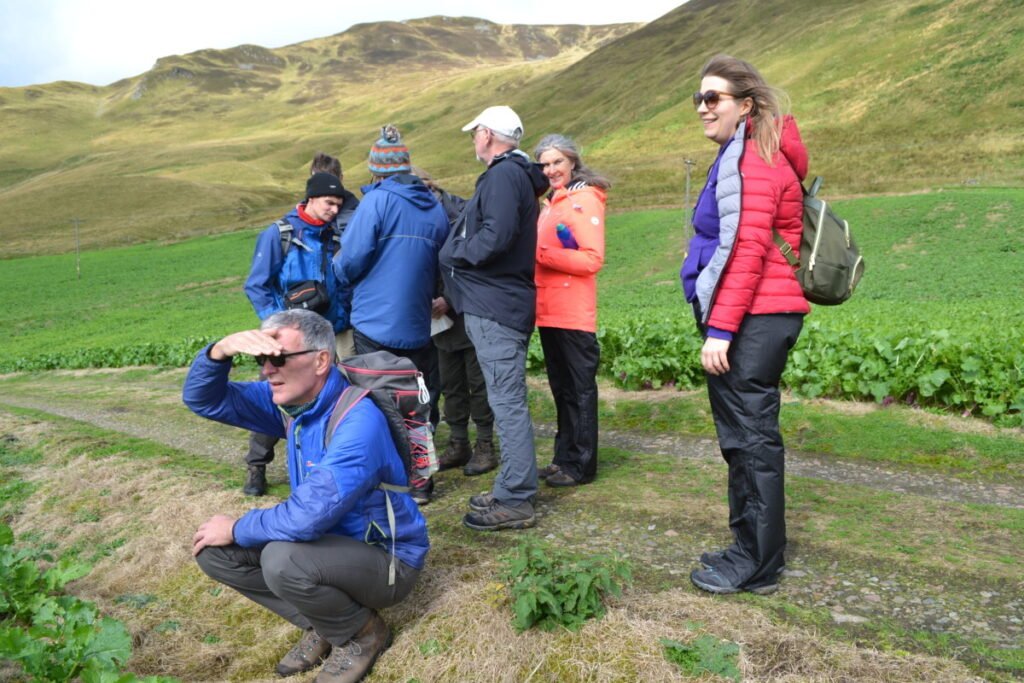
As we prepare for the Learning Journey, we’ll be asking ourselves:
- What ideas, practices and people seem to be modelling Bioregioning? Where are the practice pioneers and new experiences? How are they interacting with other bioregions and existing administrative boundaries?
- Where is Bioregioning happening already in Tay Country and what can we learn?
- To what extent and how has Bioregioning played a role in shaping other localities to date? Which other places, sectors and disciplines are asking similar questions and developing practice?
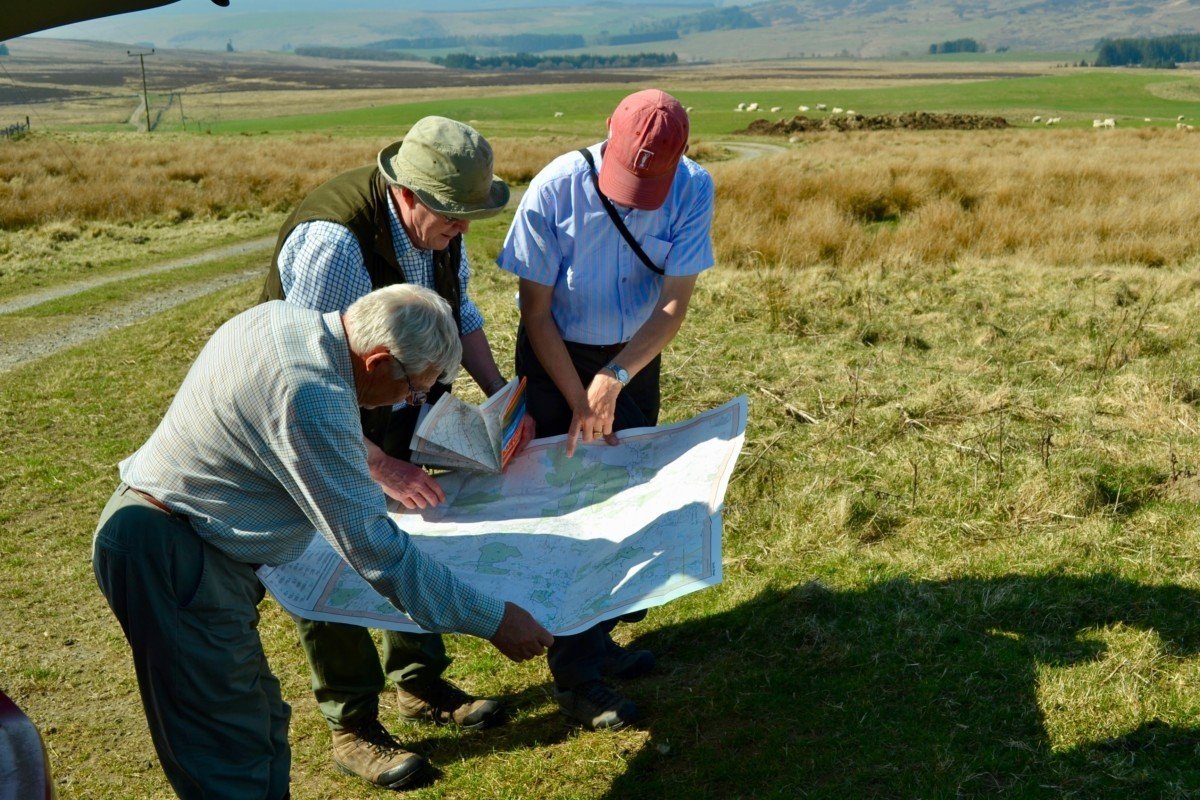
The kinds of questions participants on the Learning Journey will be asking are:
- What are the conditions that are holding the problems in place?
- How can we better understand the role of Bioregioning in developing the new social values we will need to transition to a ‘bigger than self’ age?
- How can we develop a better understanding of the role of Bioregioning in shaping the ‘next’ economy we need to survive and thrive?
- What can we understand from existing Bioregions about the kinds of governance, policy and infrastructure frameworks we need for rapid evolution?
Updates & News
Creating Possibility
Following the Learning Journey we’ll aim to develop a programme of live projects:
Projects that promote Regenerative Tourism.
In partnership with the Cateran Ecomuseum in Tayside, we’ve designed a Regenerative Tourism Destination pilot which we want to trial in the Ecomuseum area. Regenerative tourism is about leaving things better. Sustainable tourism, the current mainstream concept, tends to focus on reducing the negative impacts of tourism – its sustainable as long as it doesn’t make a place worse. Regenerative tourism practices on the other hand aim to replenish and restore what we’ve lost, destroyed or degraded by helping to build communities that thrive, while allowing the planet to thrive too.
Projects that examine where Bioregioning can drive innovation in how communities can own and manage their natural assets.
We’re currently investigating the development of a Biodiversity and Carbon Collective, which could offer a community led/community owned approach to biodiversity restoration and carbon sequestration at landscape scale.
Projects that show how communities can monitor landscape change
With support from NatureScot we’re mapping community science projects currently taking place and planned in Tayside that are monitoring landscape change. We’re then going to develop a digital platform which will enable these projects to connect and collaborate and design a new governance structure to go with it that links this grassroots organizing with the socially situated data that is being collected so that it can be harnessed in the service of community empowerment and resilience.