Bioregioning Tayside is a new platform which is bringing people in Tayside together to build community resilience in the face of:
– global heating – with major implications for survival of life as we know it,
– a sixth mass extinction of plants and animals driven by us, which is collapsing biodiversity and threatening the food webs we depend on
– a broken economic model – which is fuelling the climate crisis and biodiversity collapse and resulting in increasing social injustice and mental ill health
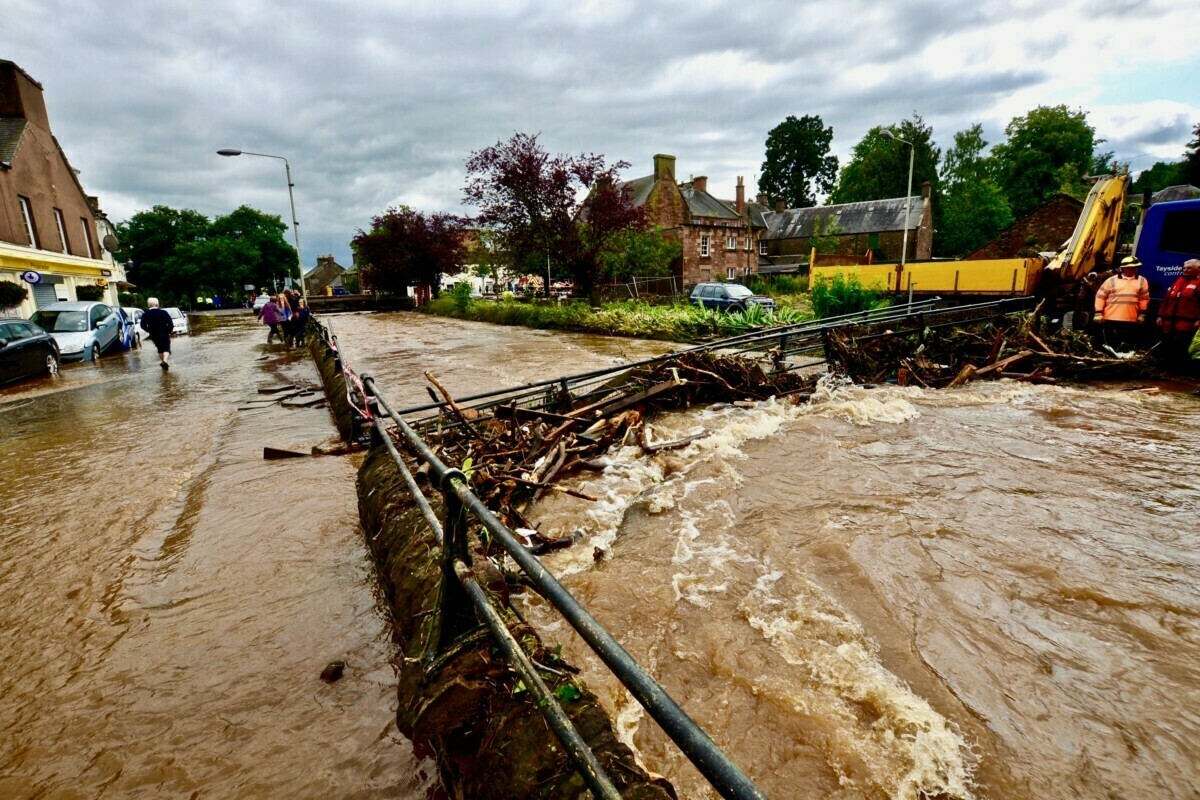
We aim to build that community resilience through the concept of a Bioregion.
A Bioregion is a geographic area defined not by political or economic boundaries but through its natural features – its geology; topography; climate; soils; hydrology and watersheds; agriculture; biodiversity, flora and fauna and vegetation.
Bioregioning re-connects people with those natural systems, and each other, through the places where they live, enabling deeper understanding of the interdependence between them and human flourishing.
Tayside is a part of Scotland named after the River Tay, Scotland’s longest river and largest river catchment area which flows through it.
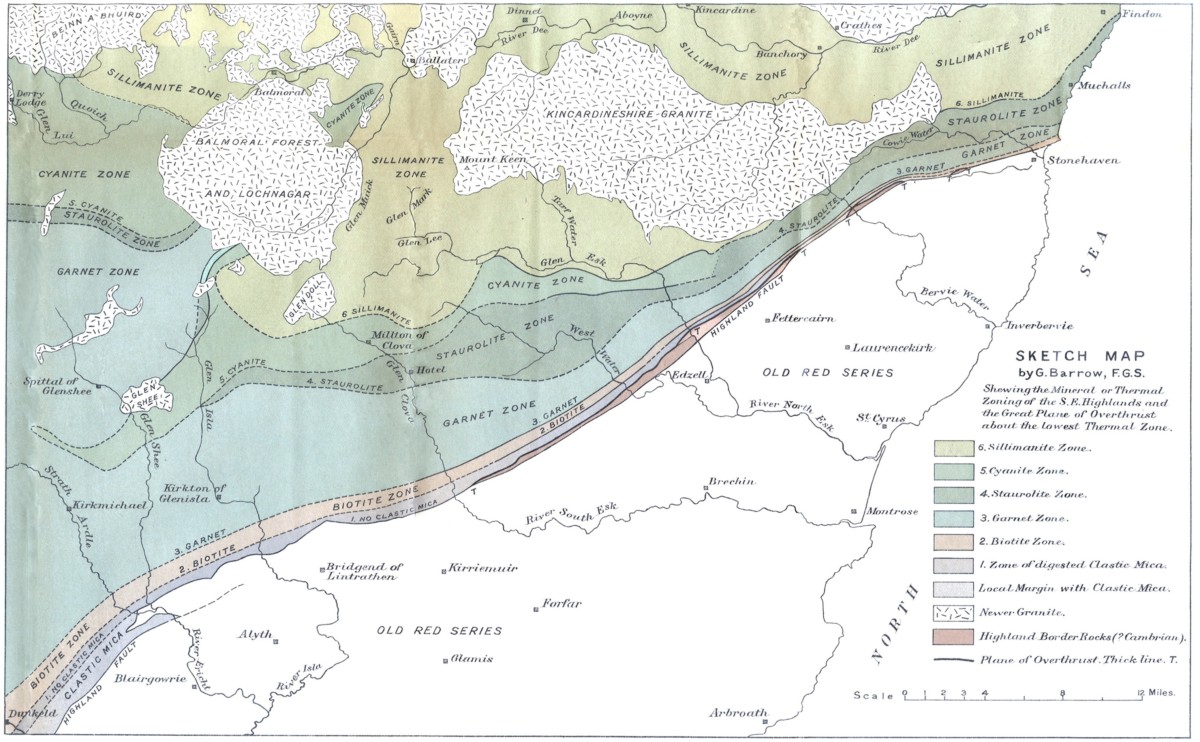
Traversed by Scotland’s greatest geological feature, the Highland Boundary Fault, it is a largely rural area, covering around 7,500 square kilometres and including the cities of Dundee and Perth, it has a population of around 400,000.
Our Vision
Our vision is for a flourishing and resilient Tayside Bioregion based on care for the natural world and each other.
Our mission is to make visible all those in Tayside who are already acting in Bioregional ways and grow people’s capacity for Bioregioning. We are doing this by developing new supportive infrastructure including a Bioregional Observatory, Bioregional Financing Facility, Bioregional Learning Centre and Bioregional Catchment Trusts and initiating and partnering on events and activities that enable collaboration and the co-creation of solutions to the climate crisis, biodiversity loss and our broken economic model.
Bioregioning is happening all across the world. Here are a few of the many examples where it is happening.
Permaculturalist Ed Tyler has been exploring bioregional action and thought up on his own peninsula in Kintyre. We’ll be teaming up with Ed and the emerging Clyde Bioregioning group to run Scotland’s first Bioregional Learning Journey in 2022.
The Bioregional Learning Centre in Devon came into being in early 2017, co-founded by experts in collaborative design, learning for sustainability, community empowerment and ecology. With a focus on building region-wide climate resilience in South Devon, they saw the need for a community-facing learning lab to support, grow and connect all the innovation already going on. They also host the UK Bioregional Community of Practice of which Bioregioning Tayside is a member.
Located in southwest British Columbia and northwest Washington State, the Salish Sea Bioregional Marine Sanctuary includes aquatic areas historically and more commonly known as Puget Sound (to the South), the Strait of Georgia (to the North) and Juan de Fuca Strait (to the West).
Cascadia is a bioregion that defines the Pacific Northwest of the United States and Canada, as defined through the watersheds of the Fraser and Columbia watersheds. It incorporates all of or parts of southern Alaska, British Columbia, Washington, Oregon, Idaho, Montana, and Northern California. Its mission is to build a bioregional community that fosters a culture rooted in the love of place, cultural competence, and sustainability.
Atelier Luma is a think tank, a production workshop and a learning network of the Luma Foundation. Based in Arles, in the French Camargue, Atelier Luma is co-developing new ways of producing and caring for a city and a bioregion, using design as a tool for transition.


